
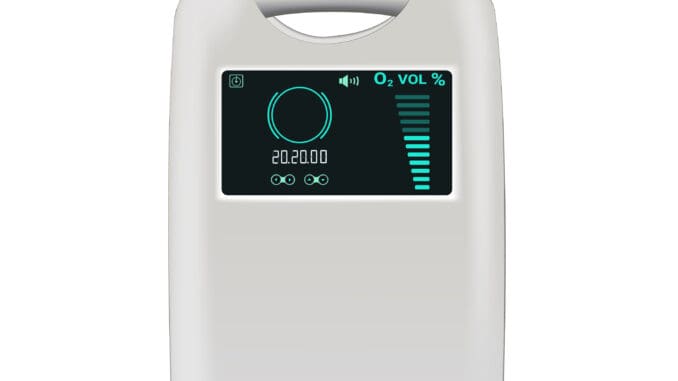
For many Arizona seniors living with COPD, heart failure, or other lung conditions, a large floor-standing oxygen concentrator is the machine that makes daily life possible. It hums along in the bedroom or living room, pulling in ordinary room air, filtering out nitrogen, and delivering concentrated oxygen through a length of tubing. Because it runs quietly and reliably most of the time, it’s easy to forget it needs regular attention. But a neglected concentrator can deliver less oxygen than prescribed, overheat, wear out early, or even spread infection.
The good news is that home maintenance is simple. Most stationary concentrators, whatever the brand, share the same basic parts, and caring for each one takes only a few minutes a day or week. Always keep your user manual handy and follow your equipment supplier’s instructions first, since details vary from model to model.
Why Maintenance Matters
A concentrator works by drawing in large volumes of room air. Everything in that air, including dust, pet hair, smoke, and pollen, passes through the machine’s filters before it reaches you. When filters clog, the compressor inside has to work harder, the machine runs hotter, and oxygen purity can drop. Dirty humidifier bottles and cannulas can harbor bacteria that end up right in your nose and airways.
In Arizona, dust is a constant companion, especially during monsoon season and in rural areas with dirt roads. Homes with pets, wood stoves, or open windows will also see filters clog faster. If you live in a dusty area, plan to check and clean filters more often than the minimum schedule.
The Common Parts and How to Care for Them
The Cabinet Filter (Gross Particle Filter)
Nearly every floor-standing concentrator has a foam or felt filter covering the air intake, usually on the side or back of the cabinet. This is your first line of defense against dust. Home care guidance commonly calls for removing the filter at least weekly, washing it with soap and water, rinsing, and letting it air dry before putting it back. One respiratory provider’s instructions add that you should not put the filter in a dryer, and that dusty homes may need cleaning more often. Make sure the filter is completely dry before reinstalling it, and never run the machine without it.
The Intake or Bacteria Filter
Behind the cabinet filter, many models have a finer internal filter that protects the compressor. This one is usually replaced rather than washed, and on many models it is changed by your equipment supplier during scheduled service. Some manufacturers specify replacement every two years, but intervals vary widely, so check your manual or ask your supplier.
The Humidifier Bottle
If your doctor has prescribed humidified oxygen, a small water bottle attaches to the front of the machine to add moisture and ease dryness in your nose. This part needs the most frequent attention. Use only distilled water, and change it every 24 hours. A common mistake is simply topping off the bottle; instead, empty it, wash it with soap and water, rinse, and refill with fresh distilled water. Once a week, give it a deeper cleaning: one provider recommends soaking it for 30 minutes in a mix of one part vinegar to four parts water, then rinsing well. Tap water leaves mineral deposits, which Arizona’s hard water makes especially likely.
The Nasal Cannula and Tubing
The cannula is the part that touches your face, so keeping it clean matters for your health. The American Lung Association recommends washing your cannula weekly, replacing it every two to four weeks and every time you get sick, and replacing your tubing every two months. Check tubing daily for kinks, cracks, or twisting, especially if it runs across the floor where it can be stepped on or caught under furniture. If you use a humidifier, you may notice water droplets collecting in the tubing; an inexpensive in-line water trap can help.
The Oxygen Outlet and Flowmeter
The outlet is the small connector where the tubing or humidifier attaches, and the flowmeter is the dial or knob, often with a floating ball in a clear tube, that sets your liters per minute. Glance at the flowmeter every time you start the machine to confirm it matches your prescription. Never change the setting without your doctor’s direction. Keep the outlet clean and make sure connections are snug, since a loose fitting can leak oxygen before it reaches you.
The Cabinet Exterior
Unplug the concentrator before cleaning, then wipe the cabinet with a soft, lint-free cloth lightly dampened with water or a mild household cleaner. Avoid spraying liquid directly on the machine, and never use petroleum-based solvents or cleaning agents.
The Power Cord
Inspect the cord regularly for fraying, cracks, or bent prongs. Plug the concentrator directly into a wall outlet rather than an extension cord or power strip unless your manual specifically allows it. These machines draw a steady load, and a damaged cord or overloaded strip is a fire risk.
Alarms and Indicator Lights
Most concentrators have alarms for power failure, low oxygen purity, high or low flow, and overheating. Many also include an oxygen purity indicator light. Each model has its own set of alarms with different meanings, so keep your manual nearby to look up any alarm you don’t recognize. If the purity light shows a warning, switch to your backup oxygen and call your supplier.
The Compressor and Sieve Beds
Inside the cabinet, a compressor pushes air through two canisters called sieve beds, which separate oxygen from nitrogen. These are not user-serviceable parts. If you hear grinding, rattling, unusually loud operation, or the machine feels hot to the touch, stop using it, switch to backup oxygen, and call your supplier. If you rent your concentrator through Medicare or another insurer, your equipment supplier is generally responsible for servicing and repairs, so don’t open the cabinet yourself.
Placement and Safety
Where the machine sits affects how well it runs. Keep it at least a foot away from walls, curtains, and furniture so air can circulate freely around the intake and exhaust. Avoid placing it next to heaters, stoves, or in direct sun, and keep the room reasonably cool. During Arizona summers, a hot room can cause a concentrator to overheat and shut down.
Oxygen itself doesn’t burn, but it makes anything that does burn ignite faster and hotter. Never smoke or allow anyone to smoke near your oxygen, and keep the machine and tubing well away from candles, gas stoves, fireplaces, and grills. Avoid petroleum-based lip balms and lotions on your face; use water-based products instead.
Planning for Power Outages
A stationary concentrator stops working the moment the power goes out. Always keep a backup oxygen cylinder on hand and know how to use it, and ask your supplier how long your backup supply will last at your prescribed flow rate.
Arizona’s major electric utilities offer programs for customers who depend on medical equipment. APS customers can register for the Medical Care Program at 602-371-7171 or 800-253-9405, which alerts the utility to your needs during an outage. Members of the program are notified in advance of planned outages when possible, by phone, letter, email, or text. This matters more than ever in northern Arizona, where APS has begun using planned power shutoffs during periods of extreme wildfire risk. SRP customers can apply for the Medical Preparedness Program by calling (602) 236-8888; SRP also strongly recommends having a backup power source such as a generator or battery backup. Tucson Electric Power and UniSource customers can enroll in the Medical Device Alert program by calling (520) 623-7711 for TEP or 1-877-837-4968 for UniSource. Each program requires a form signed by your doctor, and enrollment does not guarantee faster restoration, so a backup oxygen plan is still essential.
A Simple Maintenance Schedule
Daily: Empty, wash, and refill the humidifier bottle with distilled water. Check tubing for kinks and confirm the flowmeter setting.
Weekly: Wash and air-dry the cabinet filter. Wash the cannula. Deep-clean the humidifier bottle. Wipe down the cabinet.
Every two to four weeks: Replace the nasal cannula, and replace it any time you’ve been sick.
Every two months: Replace the oxygen tubing.
As scheduled by your supplier: Internal filter replacement, purity testing, and professional service.
When to Call Your Supplier
Call your equipment supplier right away if an alarm won’t clear, the purity indicator shows a warning, you don’t feel oxygen flowing from the cannula, the machine makes unusual noises or smells like it’s burning, or it shuts off on its own. If you feel short of breath, confused, or unusually drowsy, switch to backup oxygen and contact your doctor. In an emergency, call 911.
A few minutes of care each day and week keeps your concentrator running quietly, efficiently, and safely for years. Treat it like the important medical device it is, and it will keep taking care of you.
Sources:
Don’t Let an Oxygen Concentrator Lead to Infection – HomeCare Magazine
Oxygen Equipment Care – Lakeland Respiratory
Respironics Millennium M10 Spec Sheet – Direct Supply
Patient Instructions: Oxygen Concentrator – MedCare
Using Oxygen at Home – American Lung Association
How to Clean Oxygen Concentrator Supplies – RespShop
How to Clean and Maintain the DeVilbiss 525DS – Vitality Medical
Oxygen Concentrator Maintenance – Vitality Medical
APS Outage Preparedness Tips
APS Medical Care Program
APS Wildfire Power Shutoffs – AZFamily
SRP Medical Preparedness Program
SRP Medical Preparedness Application
TEP/UniSource Medical Device Alert